Coast
Medes Islands Snorkeling from L’Estartit: Boat or Shore?
A first-timer's guide to choosing a supervised Medes Islands snorkeling boat, including equipment and marine-reserve rules.
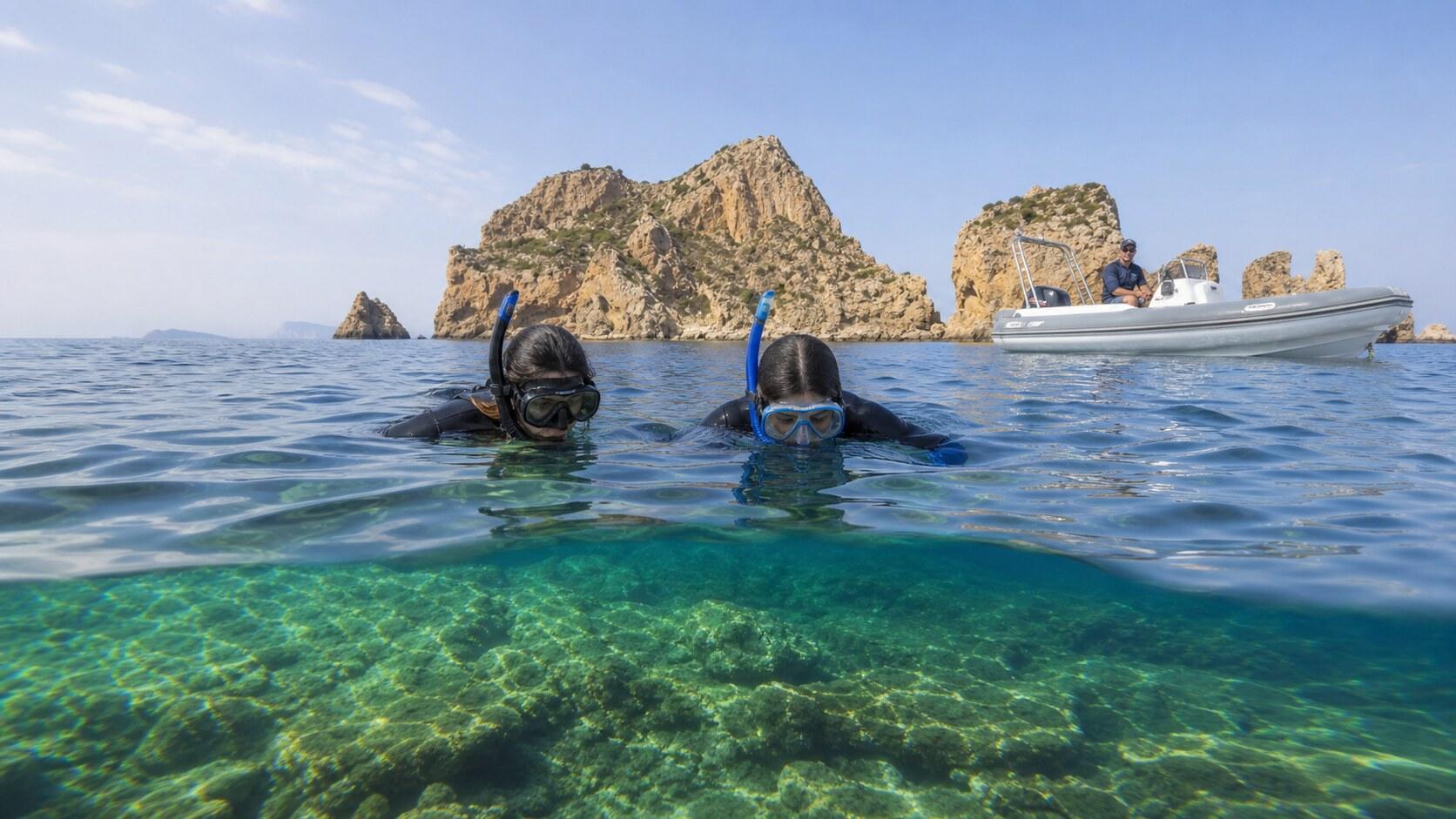
To experience the Medes Islands themselves, choose an authorized boat outing from L’Estartit. A shore swim can be pleasant, but it is not a substitute for crossing exposed water into a protected marine area.
What to Book
Look for a 2–3 hour trip with a guide, buoyancy aid, mask, snorkel, fins, and wetsuit when needed. Confirm the minimum age, whether confident swimming is required, group size, and what happens if conditions prevent entry. Check a Medes Islands snorkeling outing with an exact L’Estartit meeting point.
The islands are part of a protected natural park with regulated activities. Review the park’s current snorkeling and leisure guidance before going.
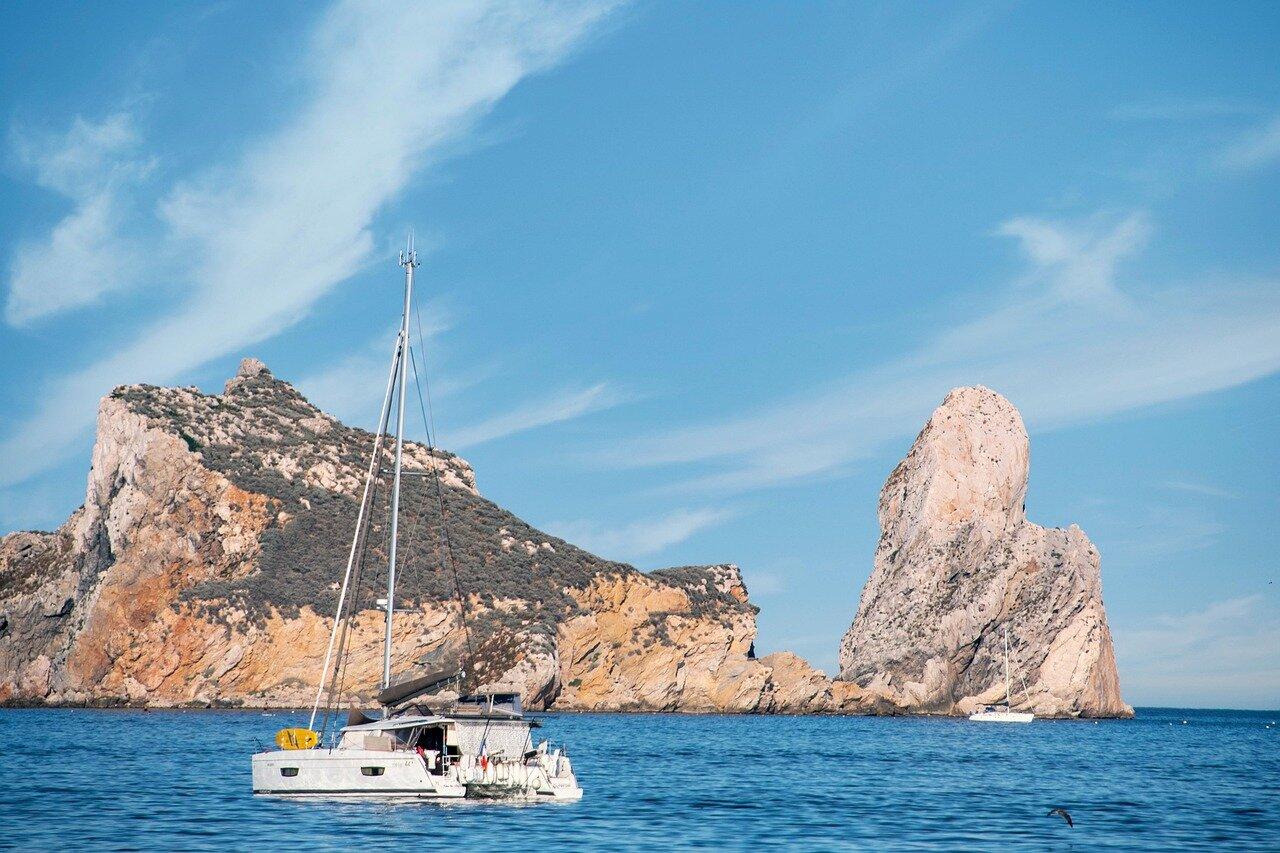
Pricing Medes Islands Snorkeling from L’Estartit without false precision
Morning departures often offer a calmer experience and leave room for rescheduling. Arrive 30–45 minutes early for parking, check-in, and equipment. Plan roughly €40–75 per person for a guided snorkeling boat; photography, transport, and food may be extra.
Do not promise yourself a specific island site. The skipper should choose according to wind, current, visibility, reserve rules, and the group’s ability.
Boat Versus Shore
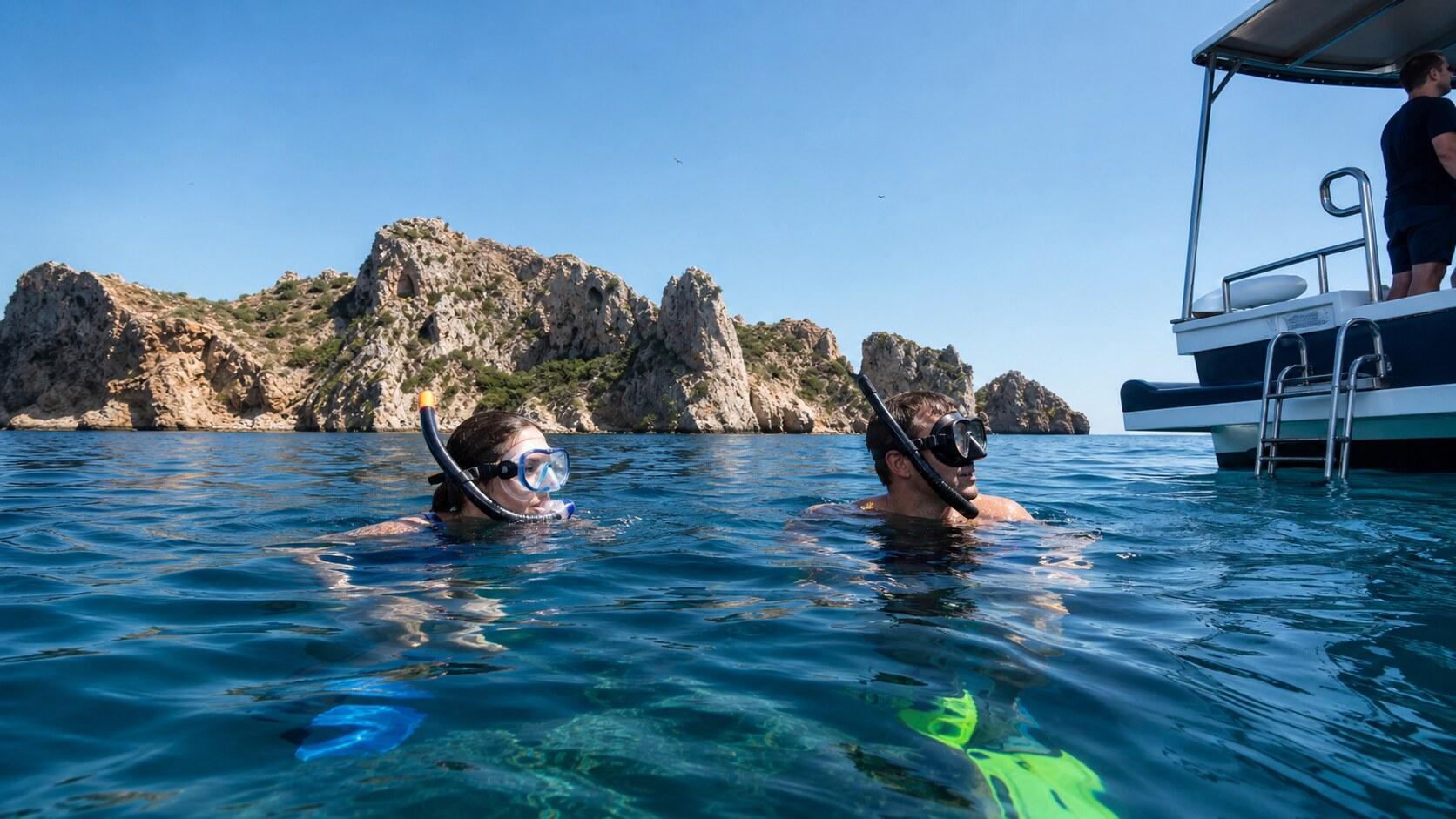
A boat is appropriate for the protected-island experience and supervised entry. A shore session is better for nervous beginners who mainly want to test equipment in shallow water. Never attempt to swim from the mainland to the islands: the distance, vessel traffic, and conditions make that unsafe.
If the sea trip is canceled, use the coastal path toward Montgó or visit the park’s local interpretation resources. Keep a spare morning if snorkeling is a major reason for the stay.
In the Water
Tell the guide honestly about swimming confidence before boarding. A buoyancy aid helps with flotation but does not replace supervision or the ability to remain calm in open water. Enter only when directed, stay with the assigned group and keep clear of boat movements.
The reserve is an observation space, not a collection site. Do not touch, feed or remove marine life, stand on the seabed or chase animals for a photograph. Good buoyancy and slow fin movements protect the habitat and usually produce a better sighting than trying to close every distance.
Bring reef-conscious sun protection, a towel, water and a dry layer for the return. Secure glasses and valuables before departure. If seasickness is a concern, ask about boat type and seek appropriate medical advice in advance rather than trying an unfamiliar remedy at the harbor.
Make Cancellation Work
Read the weather policy before paying: a responsible operator may change the site, delay departure or cancel even under a clear sky because wind and sea state matter offshore. Prefer a morning early in the stay, leaving another suitable window for a rebooking.
Related guides
- Tossa de Mar Kayak Morning: Route, Sea Conditions and Booking
How to choose and schedule a beginner kayak outing from Tossa de Mar without overestimating distance or sea conditions.
- Palamós Sunset Sailing: How to Choose a Two-Hour Trip
A narrow booking guide for a Palamós sunset sail, covering boat type, inclusions, wind, and the return after dark.
- Cap de Creus by Boat: Depart from Roses or Cadaqués?
Choose Roses for a longer panoramic cruise or Cadaqués for a shorter small-boat outing, with sea conditions and cancellation terms deciding the day.
Are you in the know?
Receive new articles, local updates, and occasional offers from selected partners. We never share your email address. Unsubscribe at any time.
By subscribing you agree to our privacy policy.