Coast
Cap de Creus by Boat: Depart from Roses or Cadaqués?
Choose Roses for a longer panoramic cruise or Cadaqués for a shorter small-boat outing, with sea conditions and cancellation terms deciding the day.
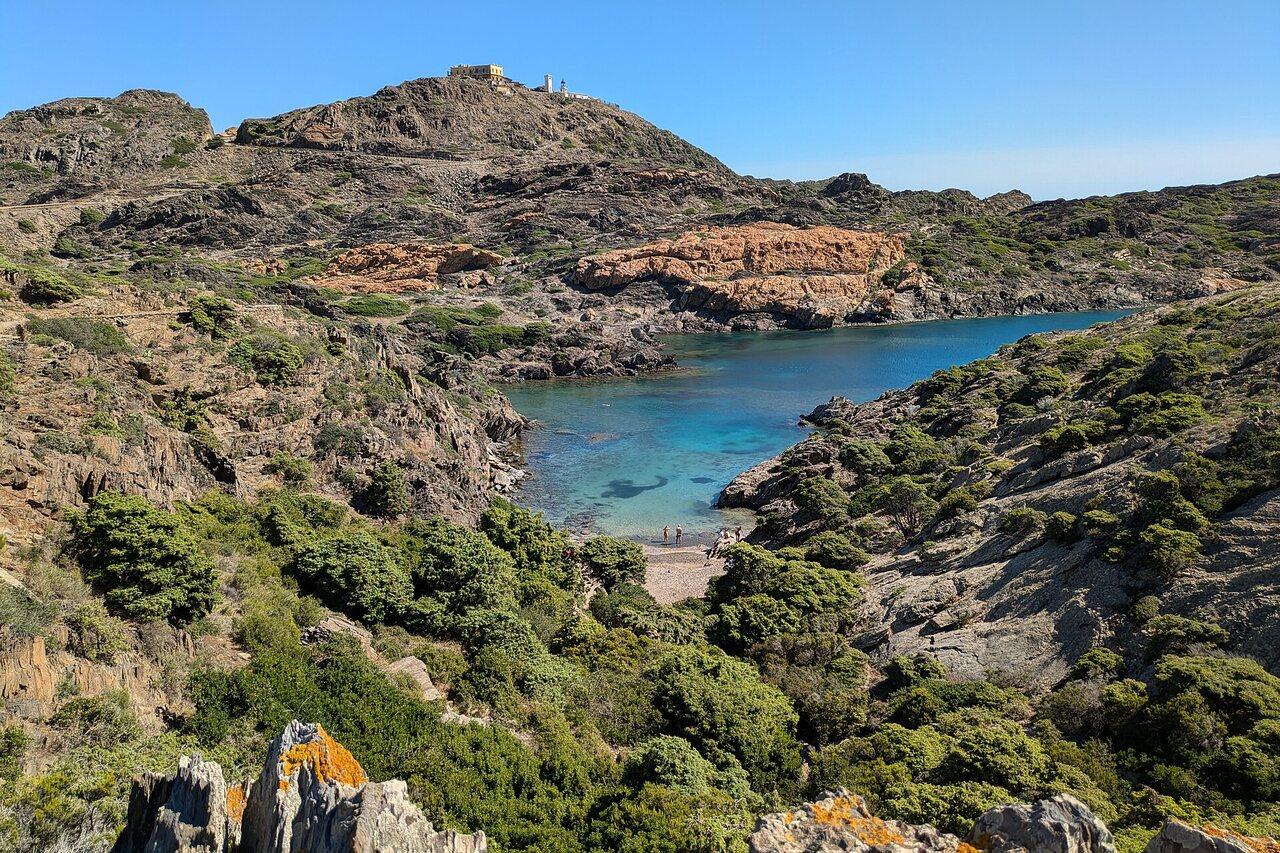
The better harbor is the one that removes the wrong kind of journey. Depart from Roses when you want the boat to be the day: a longer run past the northern shore of the gulf, Cap Norfeu and the park coast, often on a larger excursion vessel. Depart from Cadaqués when you are already staying there and want a shorter, smaller-format outing near Portlligat and the cape.
Neither choice defeats the tramuntana. If the operator shortens, reroutes or cancels for wind and swell, accept the decision. A photograph of blue water does not show what the exposed side of Cap de Creus is doing that morning.
Roses or Cadaqués in one glance
| Choose | Best for | Main trade-off |
|---|---|---|
| Roses | Easier road and bus access, larger boats, a long scenic cruise and possible Cadaqués shore time | More hours aboard and a longer exposed coast, so seasickness and delay matter more |
| Cadaqués | Travelers already sleeping in town, shorter two-hour formats and smaller groups closer to Portlligat | Reaching Cadaqués by road or bus is already part of the trip; small boats move more in chop |
For a shared outing, use roughly €25–45 per adult as a planning range, then check the selected boat, duration and inclusions. Private skippered boats begin in the hundreds of euros and can rise sharply with vessel size and hours. Never compare a two-hour seat with a half-day private charter as though “boat tour” were one product.
Compare current Cap de Creus boat activities, then book only after the operator confirms the harbor, boat type and weather policy.
Roses makes the coastline the main event
Roses is the practical departure for visitors based around the Gulf of Roses, Figueres or the central Costa Brava. Its larger harbor and broad waterfront support excursion vessels with fixed ticket offices and higher capacity. That does not mean every ticket boards from the same quay; save the operator’s named meeting point, not merely “Port de Roses.”
One current official regional tourism listing describes a roughly 4½-hour excursion with about 1½ hours in Cadaqués. Its route follows the park coast toward the cape, Portlligat and Cadaqués. Other Roses products turn earlier, add a swim or use a sailing catamaran, so read the actual itinerary rather than borrowing this timing for every boat.
Choose this format when the long sequence is the attraction. Cap Norfeu, Cala Montjoi, Cala Jóncols and the increasingly fractured geology toward the cape can make sense as one unfolding coast. The return covers the same exposed distance, however. Anyone prone to seasickness should take medication only according to professional advice, sit where the crew recommends and avoid treating the outward calm as proof of an easy ride back.
Arrive at least 30 minutes before the stated boarding deadline. Roses has more arrival flexibility than Cadaqués, but summer traffic, parking and a walk along the waterfront still consume time. A missed departure may not be refundable.
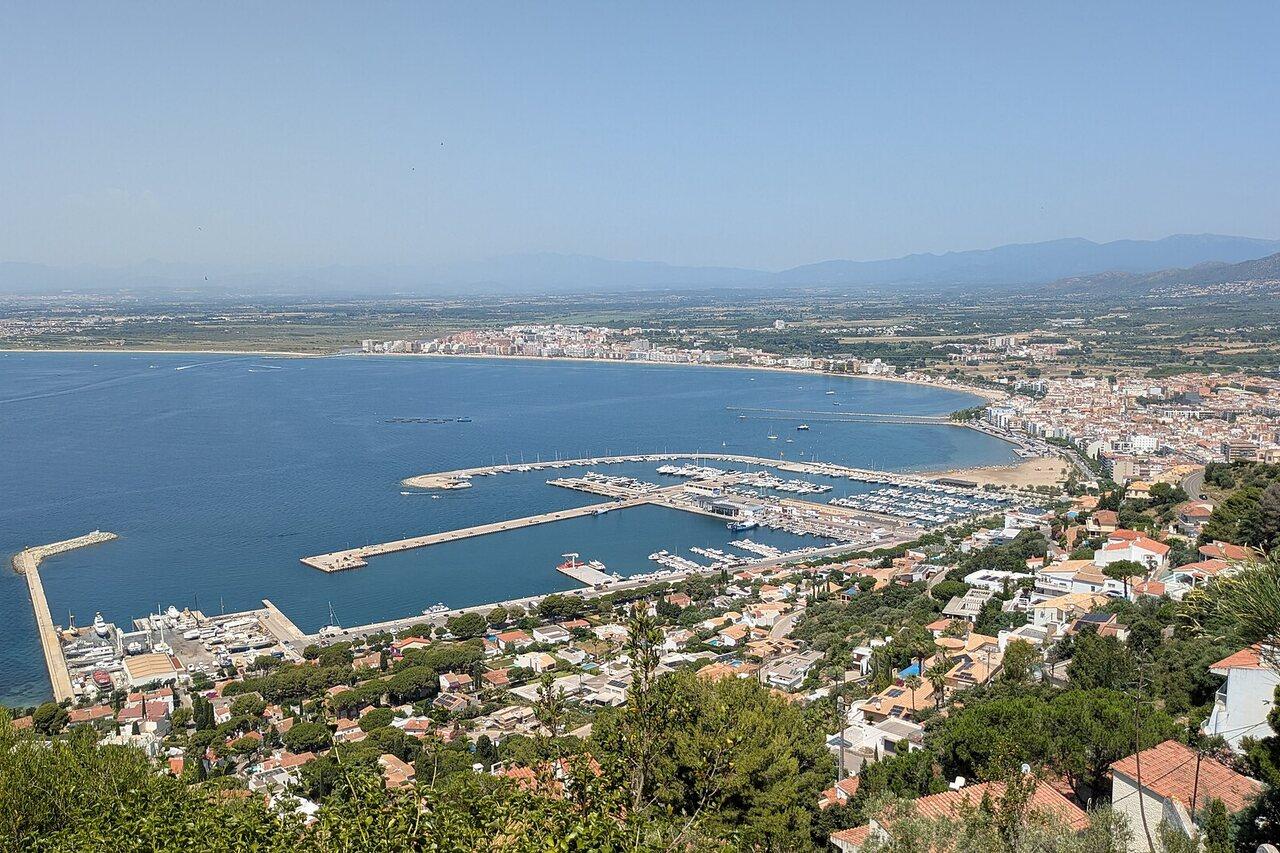
Cadaqués saves sea time only if you are already there
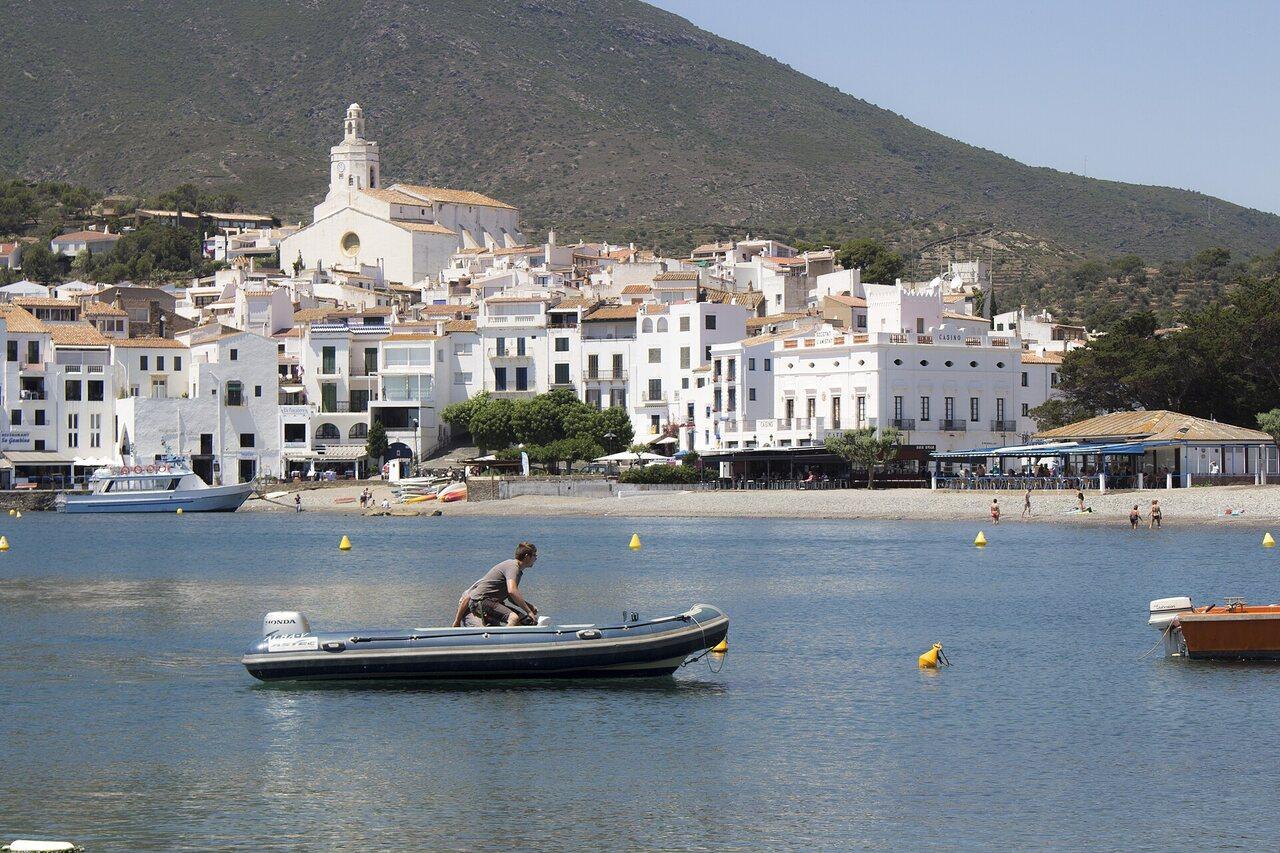
Cadaqués sits inside the peninsula’s road geography. Starting there shortens the water journey to Portlligat, Cala Guillola and the lighthouse sector, but it does not shorten the trip from Barcelona or Girona if you first have to negotiate the final road and parking.
The official Cadaqués tourism boat listing describes guided routes through Portlligat, Cala Fredosa, the lighthouse area, Cova de s’Infern and the Tudela geological sector, with a representative duration of about 90 minutes. This is a format, not a guaranteed checklist: sea state and the booked operator decide which features are sensible to approach.
Small-group outings may use a traditional llaüt or another compact craft. A current two-hour Cadaqués example lists a skipper, capacity up to eight on its traditional boat, a €25 per-person fare, a minimum-occupancy condition and weather refund or date change. Use those details to frame questions, not to assume every Cadaqués provider has the same terms.
This departure works best with two nights in town: arrive the day before, keep one morning or afternoon flexible and let the operator select the better window. Driving into Cadaqués solely for a fixed sailing removes most of the flexibility that makes the shorter option attractive.
Ask what the ticket actually does
Before payment, establish five facts:
- Exact duration aboard: shore time in Cadaqués or a swim stop may be included in the advertised total.
- Boat and seating: shade, toilet, step at boarding and freedom to move differ between a passenger vessel and an eight-person craft.
- Route promise: “Cap de Creus” may mean seeing the lighthouse sector, following the park coast or simply operating within the park boundary.
- Water stop: ask whether swimming is planned, conditional or absent, and how passengers reboard.
- Cancellation outcome: distinguish operator weather cancellation from a passenger’s decision not to sail.
Families should also confirm life-jacket sizes, minimum age, pushchair storage and whether children can remain seated in shade. Travelers with limited mobility need the actual boarding arrangement at the quay; a statement that wheelchairs are accepted may still require the passenger to transfer or negotiate a step.
The park is not a scenic backdrop without rules
Cap de Creus is a protected marine landscape. The Natural Park’s current marine-activity guidance explains navigation limits, anchoring controls and the exclusion of sailing from the S’Encalladora Integral Nature Reserve. Commercial passenger and activity providers have notification and environmental responsibilities.
A reputable operator should explain where the route enters protected sectors and why a boat cannot anchor or approach wherever passengers request. Do not pressure the skipper to enter a cave, land on a cove or move closer to wildlife. The regulation is part of the experience: it keeps the coast worth seeing.
Carry a hat that can be secured, sunglasses with a strap, water, sunscreen, a wind layer and only electronics you can protect from spray. Stay seated when instructed and keep hands inside the boat near rock or another vessel.
Build the land day before checking the forecast
Check Meteocat the evening before and again before leaving, but let the captain make the final call. A sunny icon is not a marine forecast, and a sheltered harbor can conceal conditions around Cap Norfeu or the cape.
If a Roses trip is cancelled, keep the seafront, fishing-port area when publicly accessible and one land-based heritage stop; do not drive the winding coastal road trying to “replace” the boat with every viewpoint. If a Cadaqués trip is cancelled, walk the town waterfront and continue to Portlligat on land if conditions and bookings allow.
The choice is therefore less about which harbor owns the better view. Roses gives you more coast from the deck. Cadaqués gives you more time in town and a closer launch. Pick the travel day you still want when the boat cannot leave—that is the departure plan most likely to survive Cap de Creus weather.
Related guides
- Costa Daurada Beach Towns: How to Choose the Right Base
Choose a Costa Daurada base for beaches, rail access, family travel, and quieter Mediterranean days.
- Costa Brava Kayaking: How to Plan a Safe First Paddle
A practical first-timer guide to sea kayaking on the Costa Brava, from weather checks to guided outings.
- Calella to Tamariu Coastal Walk via Llafranc
A segmented Costa Brava walk through Calella, Llafranc, and Tamariu, with the road gap and return transport explained.
Are you in the know?
Receive new articles, local updates, and occasional offers from selected partners. We never share your email address. Unsubscribe at any time.
By subscribing you agree to our privacy policy.