Coast
The Catalan Coast in Winter: Sea Walks Without the Summer Script
Plan a winter coast day around daylight, wind, open businesses, safe paths, and the particular pleasure of a quiet Mediterranean town.
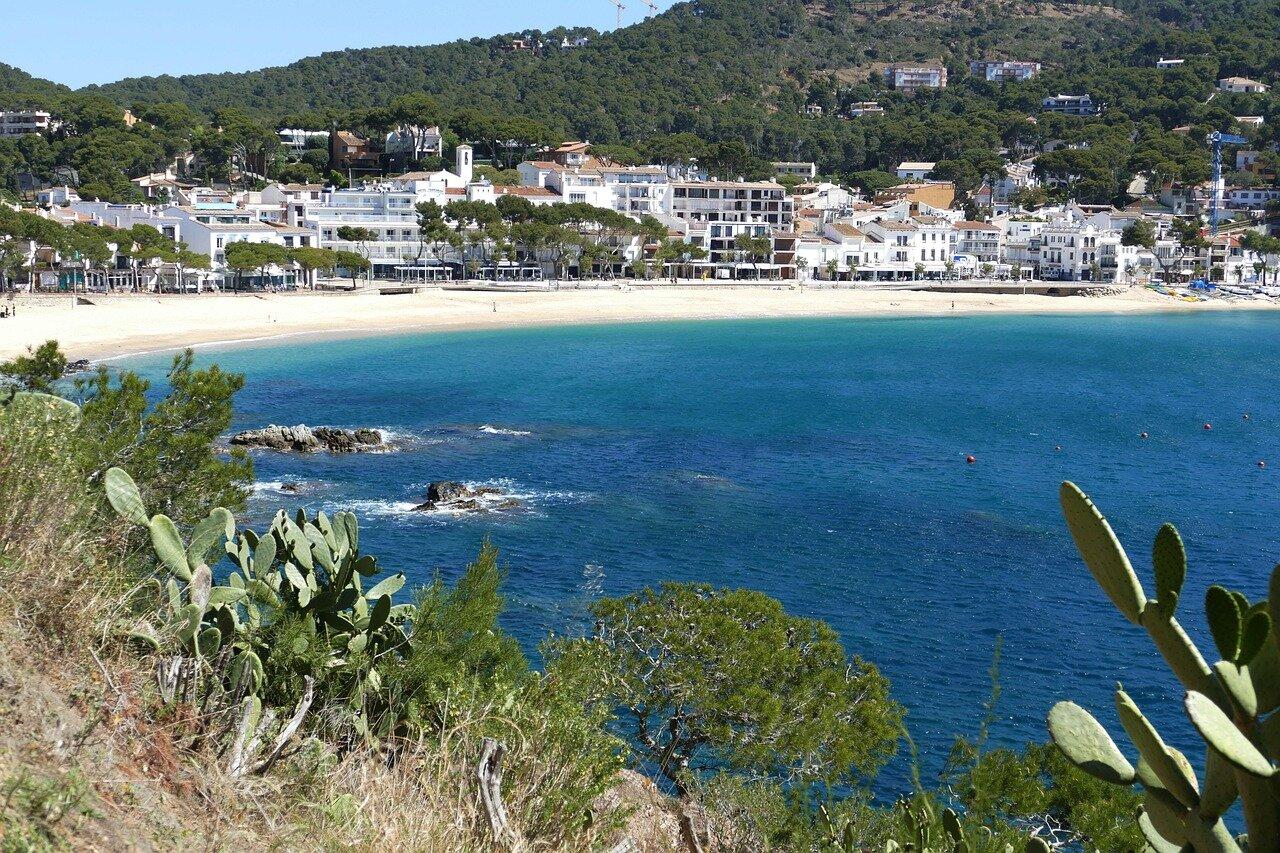
In winter, the Catalan coast becomes a place for walking, light, fishing-town routines, and long lunch rather than a diminished beach holiday. The tradeoff is real: short daylight, cold wind, rough water, fewer open businesses, and sparse transport on some routes.
A Winter Coast Day at a Glance
- Route: choose one rail-served town—Sitges, Vilanova i la Geltrú, Arenys de Mar, Sant Pol de Mar, or Tarragona—walk an out-and-back seafront or short camí de ronda, then lunch and an indoor stop.
- Walking: 5–10 km with an easy turn-back; finish exposed sections by 16:00.
- Transport: Rodalies coastal lines are the backbone; arrive by 10:00. Confirm Sunday and holiday frequencies.
- Budget: €25–55 per person for transport and lunch; museums add a few euros when open.
- Book: reserve lunch and verify that the chosen museum or restaurant is open on Mondays and Tuesdays.
Conditions guidance checked August 2026. Check Meteocat for wind and rain, coastal trains for rail, and the relevant council for path closures after storms; see Rodalies de Catalunya official journey information.
Dress for Wind, Not the Photograph
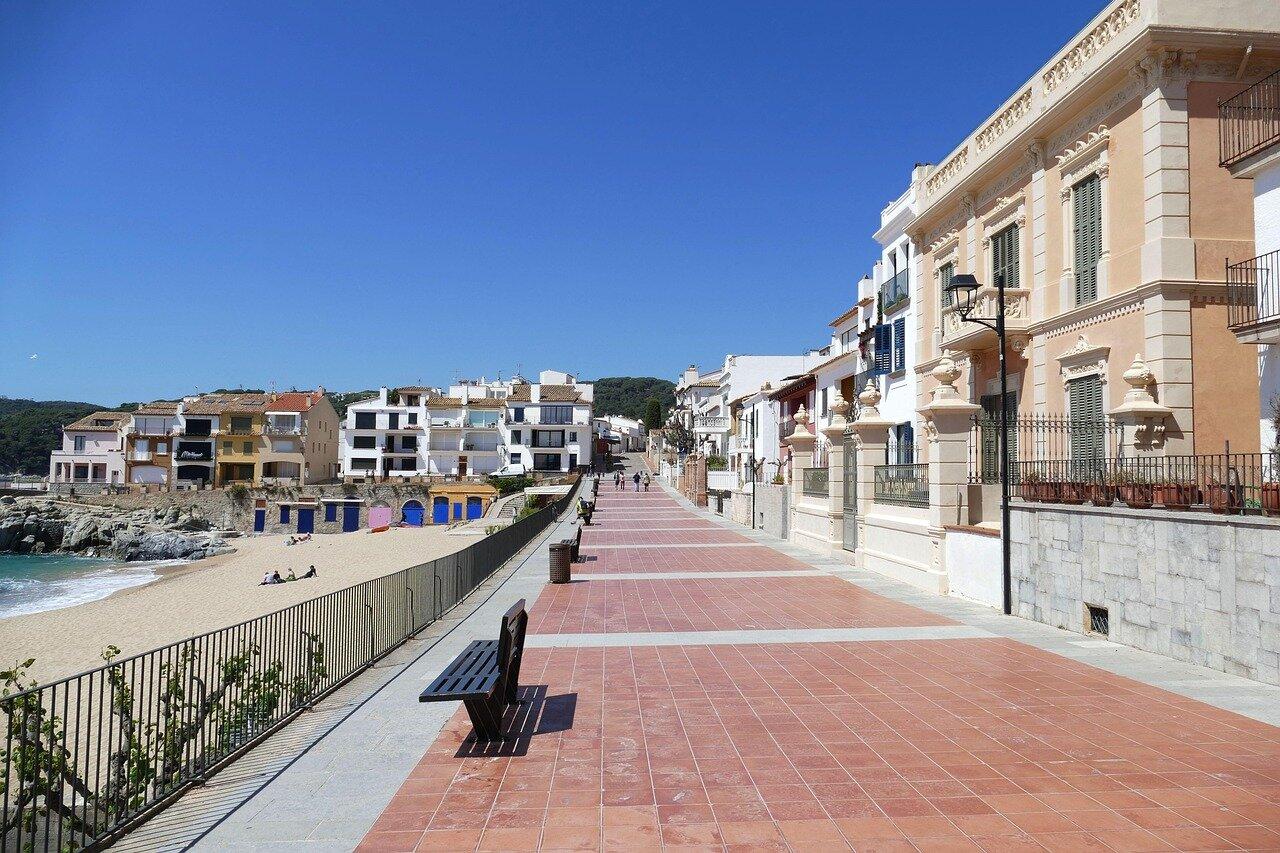
Sunny winter air can feel mild in a sheltered square and sharply cold on a headland. Carry a windproof layer, warm mid-layer, water, and shoes with grip. Coastal steps stay damp in shade. Never pass a barrier or use a wave-washed rock shelf as a viewpoint—rogue waves do not care that the sky is blue.
Swimming requires cold-water experience, a safe supervised plan, and favorable conditions. Ordinary summer confidence does not transfer. For most people, the correct winter sea activity is walking beside the water. A concrete car-free template is the Vilanova maritime day: station, market, Baix-a-Mar, and promenade without needing a swim.
Tramuntana and other strong winds can make even short cliff paths unpleasant. If gusts are high, stay on promenades and inland streets; do not treat a closed camí de ronda gate as a suggestion.

Expect a Smaller Town
Seasonal beach businesses may close completely, while bakeries, markets, and year-round restaurants keep local hours. Check Monday and Tuesday closures before leaving. Carry a snack so that one shutter does not spoil the day. Hot chocolate or a vermouth in a heated bar can be as important as the scenic stretch.
The best winter route begins and ends at the same station, includes one indoor refuge (museum, church when open, or café), and leaves daylight margin for the walk back. If wind rises, shorten the exposed section and move inland. Winter’s reward is not having the coast to yourself; it is seeing the place resume a life that summer often hides—fishing gear, school runs, and quiet squares between the holiday façades.
Sample Day Shapes
- Quiet Maresme: R1 to Sant Pol or Arenys → seafront out-and-back → lunch → early train.
- Garraf / south: train to Sitges or Vilanova → promenade and one museum → vermouth → return before dark.
- Heritage coast: Tarragona for Roman streets plus a short seafront; keep cliff paths optional when wind is high.
Do not chain three towns “because the train is there.” One place done slowly fits winter daylight; three places done thinly does not. Carry a paperback or offline map for café waits when buses and kitchens run on reduced hours.
Related guides
- Cap de Creus by Boat: Depart from Roses or Cadaqués?
Choose Roses for a longer panoramic cruise or Cadaqués for a shorter small-boat outing, with sea conditions and cancellation terms deciding the day.
- Cala Montgó or Illa Mateua: Choosing an L’Escala Cove
Choose between Cala Montgó’s serviced sand and Illa Mateua’s rocky water access by mobility, sea state, facilities and current access controls.
- Sa Tuna to Aiguafreda: A Short Begur Coastal Walk
Walk Begur’s short eastern coastal path with a realistic plan for its stairs, summer access, swimming conditions and return to Sa Tuna.
Are you in the know?
Receive new articles, local updates, and occasional offers from selected partners. We never share your email address. Unsubscribe at any time.
By subscribing you agree to our privacy policy.